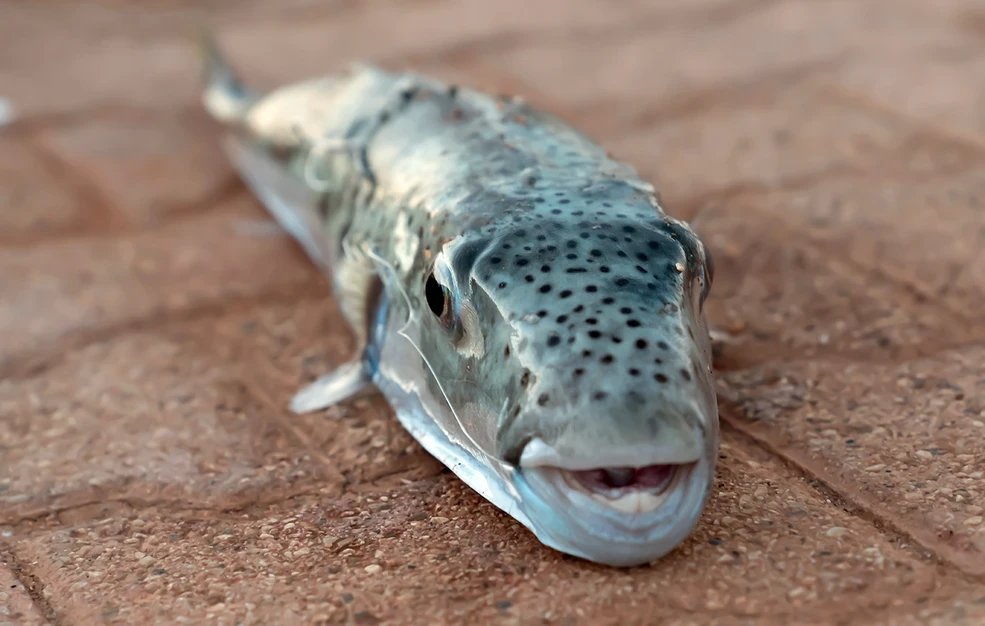
Pufferfish in Greece: Everything You Need to Know About the Invasive and Toxic Species
🐡 Pufferfish are becoming an increasingly common sight in Greek waters, and awareness has never been more important.
The silver-cheeked pufferfish (Lagocephalus sceleratus) is one of the most invasive marine species in the Mediterranean Sea. Originally entering through the Suez Canal, it has rapidly expanded across the Greek coastline, posing significant risks to marine biodiversity, local fisheries, and public safety.
Why Is the Pufferfish Dangerous?
The pufferfish contains tetrodotoxin (TTX), one of the world’s most powerful natural neurotoxins. Even small amounts can be extremely dangerous if consumed. Unlike many foodborne toxins, tetrodotoxin is not destroyed by cooking, freezing, or other common food preparation methods.
For this reason, pufferfish caught in Greek waters should never be eaten.
Impact on Greece’s Marine Ecosystem
The spread of the pufferfish has created several environmental and economic challenges:
- Threatens native Mediterranean marine species.
- Damages fishing nets and commercial catches.
- Disrupts marine biodiversity.
- Causes financial losses for local fishermen.
- Increases the need for public awareness and monitoring.
What Should You Do If You Catch or See One?
✔ Do not consume the fish.
✔ Avoid handling it unnecessarily.
✔ Inform local fisheries or environmental authorities if appropriate.
✔ Help raise awareness by sharing reliable information.
Protecting Our Seas
The expansion of the pufferfish in Greece highlights the importance of marine conservation, scientific research, and community awareness. By staying informed and acting responsibly, we can help protect both people and the Mediterranean ecosystem.